Apple Pay Review unveils the revolutionary technology that has transformed the way we make transactions. With its seamless integration into daily life, Apple Pay stands out as a leader in mobile payments, offering convenience and security at the touch of a button.
Since its launch, Apple Pay has evolved significantly, harnessing the power of near-field communication (NFC) and advanced security features to provide users with a quick and safe payment experience. Discover how this innovative solution not only streamlines payments but also integrates loyalty rewards, making every transaction rewarding.
Overview of Apple Pay
Apple Pay is a revolutionary digital wallet service developed by Apple Inc., designed to simplify and enhance the payment experience for users. By allowing users to make payments using their Apple devices, including iPhones, iPads, and Apple Watches, Apple Pay combines convenience and security, making transactions both easy and safe. With just a tap or a glance, users can complete their purchases at thousands of retailers and online merchants, redefining the way we think about payments.Apple Pay was first introduced in September 2014, marking Apple’s entry into the digital payment landscape.
Since its launch, it has seen continuous growth and integration with various financial institutions, enhancing its functionality and availability across different countries. The platform quickly gained traction due to its user-friendly interface and seamless integration with existing Apple devices, leading to widespread adoption in retail environments, public transport systems, and e-commerce sectors.
Technology Behind Apple Pay
The technology that powers Apple Pay is a blend of Near Field Communication (NFC), biometric authentication, and advanced security features. NFC technology enables Apple devices to communicate wirelessly with payment terminals, facilitating contactless payments. This technology allows users to make transactions by simply holding their device near a compatible reader, making it a quick and efficient way to pay.Security is a cornerstone of Apple Pay’s design.
Each transaction is encrypted and requires user authentication, either through Touch ID, Face ID, or a secure passcode. Apple Pay does not store card details on the device or on Apple servers, ensuring that sensitive information remains private. Instead, it generates a unique token for each transaction, which significantly reduces the risk of fraud.
“Apple Pay is transforming how we pay, making transactions not just simpler, but also far more secure.”
The following key features of Apple Pay illustrate its innovative approach to digital payments:
- Contactless Payments: Users can pay effortlessly with a simple tap of their device, minimizing contact and streamlining the checkout process.
- Privacy Protection: Personal card information is kept secure, ensuring that transaction details are never shared with merchants.
- Integration with Apps: Users can make payments directly within apps, eliminating the need for manual entry of credit card information.
- Rewards and Offers: Apple Pay supports loyalty programs, allowing users to earn rewards seamlessly during their transactions.
By leveraging cutting-edge technology and maintaining a strong focus on user security, Apple Pay continues to set new standards within the digital payment industry, making it a preferred choice for millions of users worldwide.
Features of Apple Pay

Apple Pay stands out as a leading mobile payment solution, seamlessly blending convenience and security into a user-friendly experience. Its robust suite of features not only facilitates transactions but also enhances the overall shopping experience for users, making it a top choice among digital wallets.
Key Features of Apple Pay
Apple Pay is distinguished by several innovative features that set it apart from other mobile payment systems. These attributes include:
- Contactless Payments: Apple Pay allows users to make secure transactions with just a tap of their device, either in-store or online. This convenience eliminates the need for physical cash or cards, streamlining the checkout process.
- Enhanced Security: Utilizing advanced encryption and tokenization technology, Apple Pay ensures that sensitive information isn’t stored on the device or shared with merchants, significantly reducing the risk of fraud.
- Wide Acceptance: Apple Pay is accepted by millions of retailers globally, from major chains to local businesses, making it widely accessible for users in various shopping environments.
- Integration with Apple Devices: Seamlessly integrated across iPhone, Apple Watch, iPad, and Mac, Apple Pay allows users to make purchases across multiple devices without any hassle.
Integration with Loyalty Programs and Rewards
Apple Pay enhances the shopping experience by integrating loyalty programs and rewards directly into the payment process. This integration simplifies the accumulation of points and benefits for users.
- Many retailers have partnered with Apple Pay to allow users to add their loyalty cards directly into their Wallet app. This ensures that points are automatically earned with each transaction, eliminating the need to carry physical cards.
- Users can view and manage their rewards easily within the app, making it effortless to redeem offers and track progress towards rewards.
“With Apple Pay, loyalty rewards become part of the natural shopping experience, not an afterthought.”
User Interface and Experience
The user interface of Apple Pay is designed with simplicity and elegance in mind. The experience when using Apple Pay can vary across different scenarios, yet it consistently prioritizes ease of use. In-store transactions present a straightforward process:
- Users simply hold their device near the contactless reader.
- A quick authentication via Face ID, Touch ID, or passcode secures the transaction.
- A confirmation sound and visual cue signal a successful payment.
For online shopping, Apple Pay provides an equally seamless experience. Users can select Apple Pay at checkout, authenticate the payment, and complete the purchase without re-entering their payment details, significantly reducing time spent on online transactions.The Wallet app serves as the central hub for managing payment cards, loyalty programs, and tickets, showcasing a clean and organized layout that enhances user interaction.
Every aspect of Apple Pay’s user experience is crafted to ensure that payments are not only quick and secure but also enjoyable, reinforcing why Apple Pay remains a preferred choice for mobile payments.
Security and Privacy
Apple Pay stands out as a leader in mobile payment solutions, not just for its convenience but also for its robust security measures. In an age where digital transactions are becoming increasingly prevalent, Apple Pay has implemented cutting-edge technology to protect users’ financial data and privacy. With features like encryption and biometric authentication, users can enjoy seamless transactions without compromising their security.The heart of Apple Pay’s security lies in its advanced encryption standards and innovative authentication methods.
When a payment is made, the user’s card details are never stored on the device or shared with merchants. Instead, Apple Pay uses a unique Device Account Number that is encrypted and stored securely in the Secure Element of the device. This ensures that sensitive information is always protected during transactions. Biometric authentication, such as Touch ID and Face ID, further enhances security by requiring the user’s identity verification before any payment can be processed.
Encryption and Biometric Authentication
Apple Pay employs state-of-the-art encryption techniques and biometric authentication to safeguard user data. The following elements highlight the significance of these security measures:
- Device Account Number: Each transaction uses a randomly generated Device Account Number, which keeps actual card details hidden from unauthorized access.
- End-to-End Encryption: Data transmitted during transactions is encrypted, ensuring that it cannot be intercepted or read by third parties.
- Two-Factor Authentication: The combination of Touch ID or Face ID and the Device Account Number adds a second layer of security, making unauthorized transactions nearly impossible.
Privacy concerns are a crucial consideration when using mobile payment systems. While Apple Pay takes extensive measures to protect user data, some individuals may still have apprehensions regarding data tracking and sharing. Apple is committed to user privacy and does not track transaction data that could be linked back to individuals. Instead, Apple Pay transactions are designed to remain private.
User Data Protection Steps
Apple takes numerous steps to ensure that user data remains safe during transactions. These measures include:
- No Card Information Storage: Apple Pay does not store card numbers on the device, nor does it keep transaction history, which protects users from potential data breaches.
- Privacy-Focused Design: Apple Pay is built on the principle of minimizing data collection, ensuring that only necessary information is used for payment processing.
- Regular Security Updates: Apple continuously updates its software to counter new threats and vulnerabilities, ensuring that its security measures remain at the forefront of technology.
In summary, with Apple Pay’s emphasis on advanced encryption techniques and rigorous privacy measures, users can trust that their financial data is well-protected. The innovative combination of biometric authentication and secure transaction processes exemplifies Apple’s commitment to providing a safe, convenient payment experience.
Compatibility and Availability
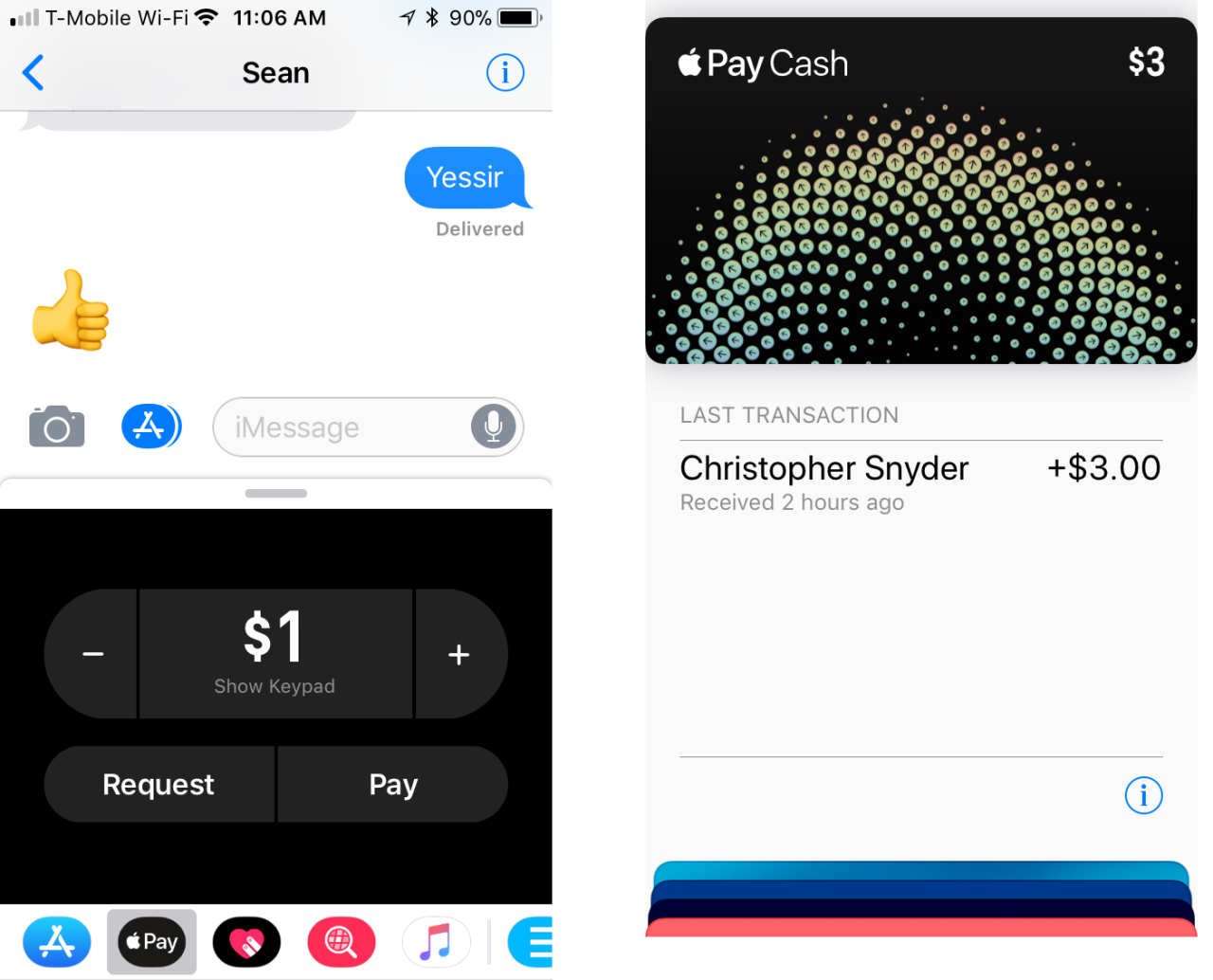
Apple Pay is designed to provide a seamless payment experience across a wide range of devices and platforms. Its integration into everyday technology allows users to make quick and secure transactions, making it an essential tool in the digital wallet landscape today. Apple Pay is compatible with various Apple devices, enabling users to make contactless payments effortlessly. Below is a detailed list of devices that support Apple Pay, along with their specifications:
Supported Devices
The following devices are compatible with Apple Pay, showcasing the technology’s widespread availability across different product categories:
- iPhone: iPhone 6 and later models, equipped with Touch ID or Face ID for secure transactions.
- Apple Watch: All models of Apple Watch can utilize Apple Pay for quick payments directly from your wrist.
- iPad: iPad Air 2 and later, including iPad Pro and iPad mini 3 and later, with Touch ID integration.
- Mac: Mac models from 2012 and later, which support Apple Pay via Safari when paired with an iPhone or Apple Watch for authentication.
Apple Pay is not just limited to personal devices; it is also extensively integrated into various payment terminals and apps, enhancing the shopping experience for consumers.
Integration with Payment Terminals and Apps
Apple Pay is supported by millions of payment terminals worldwide, enabling users to pay effortlessly at retail locations using contactless technology. This integration provides a versatile payment method that works with both traditional and modern payment systems.
- Payment Terminals: Apple Pay is compatible with NFC-enabled payment terminals, allowing users to simply tap their device to complete a purchase.
- Supported Apps: Many apps in the App Store and online retailers have integrated Apple Pay, facilitating in-app purchases and online transactions seamlessly.
Apple Pay’s global reach is a significant aspect of its functionality, making it accessible to users in numerous regions and countries, thereby promoting a unified payment experience.
Global Availability
Apple Pay is available in many countries and regions, making it a global leader in digital payments. This widespread availability ensures that users can utilize Apple Pay regardless of their location.
- United States: Launched in 2014, Apple Pay has become widely adopted across various sectors.
- Canada: Available since 2015, with a growing number of banks and retailers supporting the service.
- United Kingdom: Launched shortly after the U.S., Apple Pay has seen significant uptake in retail and online transactions.
- Australia: One of the first countries outside the U.S. to adopt Apple Pay, with strong integration in both retail and online environments.
- Europe: Countries like France, Germany, and Spain have fully embraced Apple Pay, enhancing the shopping experience for consumers.
- Asia: Apple Pay is available in several countries, including Japan and China, with local banks facilitating its use.
With its compatibility across devices and wide availability globally, Apple Pay is paving the way for a more convenient, secure, and modern payment experience.
User Experience and Reviews
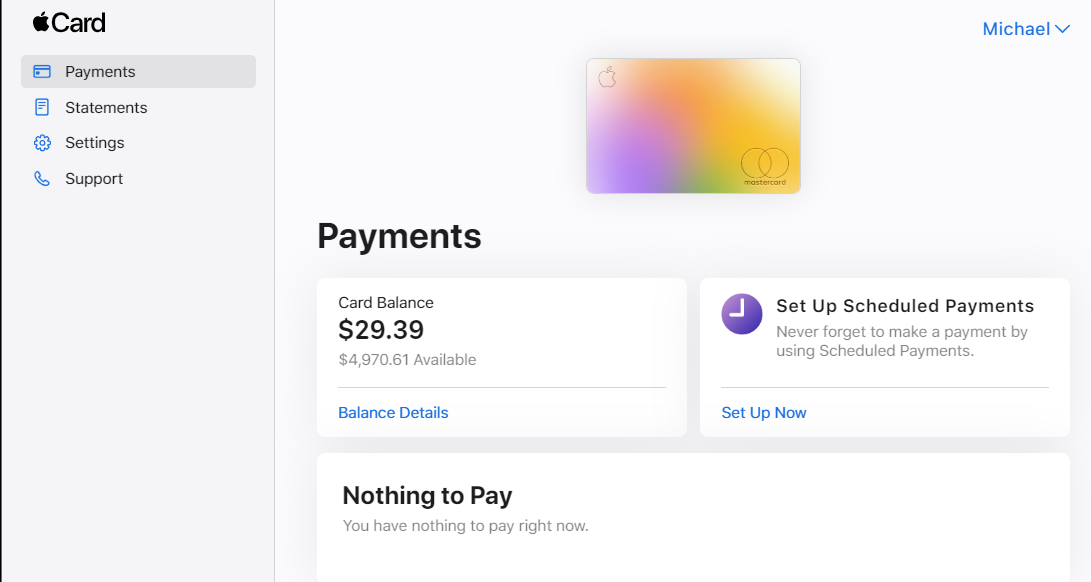
Apple Pay has garnered significant attention from users around the world, thanks to its seamless integration into everyday transactions. With a user-friendly interface and the convenience of mobile payments, Apple Pay has transformed the way people manage their finances on the go. Users appreciate the simplicity and efficiency that this innovative technology brings to their purchasing experiences.The usability of Apple Pay is often highlighted as a major advantage over other mobile payment systems.
Customers frequently praise its fast transaction times and ease of setup. Furthermore, Apple Pay’s compatibility with a wide range of devices enhances its appeal, making it a preferred choice for many. Below are some user testimonials that illustrate the favorable reception of Apple Pay in the market:
User Testimonials on Usability
Users have shared their experiences with Apple Pay, reflecting a general sentiment of satisfaction:
“I love how easy it is to pay with my phone. Just a tap and I’m done!” – Sarah, frequent shopper.
“Setting up Apple Pay took less than five minutes. Now I can pay anywhere without carrying my wallet!” – Tom, tech enthusiast.
“Apple Pay is my go-to for online shopping. It’s secure and saves me so much time!” – Emily, online shopper.
Comparatively, Apple Pay has consistently ranked higher in customer satisfaction when matched against other mobile payment systems. Users often mention that while services like Google Pay and Samsung Pay offer similar features, the streamlined Apple ecosystem provides a more cohesive experience.
Comparison of Mobile Payment Systems
To provide a clearer picture of how Apple Pay stands against its competitors, the following table Artikels the key features, fees, and user ratings of Apple Pay in comparison with Google Pay and Samsung Pay:
| Feature | Apple Pay | Google Pay | Samsung Pay |
|---|---|---|---|
| Setup Fee | None | None | None |
| Transaction Fees | None for users | None for users | None for users |
| Supported Devices | iPhone, Apple Watch, iPad, Mac | Android devices | Galaxy devices |
| User Rating (out of 5) | 4.8 | 4.5 | 4.3 |
The user ratings and functionality of Apple Pay indicate a strong preference among users for its streamlined interface and security features. The absence of transaction fees further enhances its appeal, leading to a higher overall customer satisfaction rating compared to competitors. The testimonials and comparative data underscore Apple Pay’s position as a leading mobile payment solution in today’s digital landscape.
Benefits of Using Apple Pay
Apple Pay transforms the way consumers engage in financial transactions, offering a seamless, secure, and rewarding payment experience. By integrating cutting-edge technology with user-friendly design, Apple Pay not only simplifies everyday purchases but also adds layers of convenience and efficiency. Discover the distinct advantages that make Apple Pay a standout choice for both in-store and online shopping.
Advantages for Everyday Transactions
Utilizing Apple Pay provides a host of benefits that enhance daily spending habits. Users enjoy quicker checkout processes, minimizing the time spent waiting in lines. Transactions are completed with just a tap or a glance, thanks to the advanced NFC technology and biometric authentication methods like Face ID and Touch ID.
- Speed and Efficiency: Complete transactions in seconds without fumbling for cash or cards, making shopping easier during busy days.
- Centralized Payment Method: Store various payment cards and passes in one convenient digital wallet, allowing for effortless management of finances.
- Rewards and Loyalty Programs: Automatically earn rewards or cashback when using linked credit cards, maximizing savings on each purchase.
Maximizing Savings and Rewards
To fully leverage the benefits of Apple Pay, users can adopt strategies that enhance savings and optimize rewards. By understanding how to navigate various loyalty programs and promotional offers, consumers can stretch their dollars further.
- Linking Rewards Cards: Integrate loyalty cards within Apple Pay to accumulate points effortlessly with every transaction, capitalizing on rewards programs.
- Utilizing Cashback Options: Choose credit cards with cashback features to receive a percentage of the transaction back, enhancing every purchase.
- Stay Updated on Promotions: Regularly check participating retailers for exclusive discounts or offers available only through Apple Pay, ensuring maximum value during shopping.
Enhancing the Shopping Experience
Apple Pay elevates the shopping experience, making it more enjoyable and less stressful. By catering to both online and in-person shopping needs, Apple Pay adapts to various environments and preferences.
- Seamless Online Purchases: Enjoy a fast checkout process on websites and apps that support Apple Pay, reducing cart abandonment rates and improving efficiency.
- Contactless Payments in Stores: Experience a safer shopping environment with contactless transactions, which are crucial in today’s health-conscious world.
- Transaction History Tracking: Easily access your spending history within the Wallet app, allowing for better budgeting and financial planning.
“Apple Pay not only streamlines the checkout process but also integrates rewards, security, and efficiency, creating a comprehensive payment solution.”
Limitations and Drawbacks
While Apple Pay offers a sleek and efficient way to conduct transactions, it’s essential to consider its limitations and drawbacks. Understanding these limitations can help users make informed decisions about when and how to utilize this payment method effectively. One notable limitation is the level of merchant acceptance. Despite Apple Pay’s growing popularity, not every retailer supports it. This can lead to situations where users are unable to make purchases at their preferred locations.
Besides, certain fees might be applied by merchants when using Apple Pay, which could deter some users from fully embracing the platform.
Merchant Acceptance
The acceptance of Apple Pay varies significantly across different regions and types of businesses. While major retailers and chains typically support Apple Pay, smaller local businesses may not have the necessary contactless payment infrastructure.
- Major retailers like Walmart, Target, and Starbucks accept Apple Pay, offering a seamless experience for users at checkout.
- However, small businesses and local shops may still rely on traditional payment methods, limiting the usability of Apple Pay in those contexts.
- In some cases, merchants may choose not to accept Apple Pay due to transaction fees that could impact their bottom line.
“The convenience of Apple Pay can be overshadowed by merchant acceptance limitations in various regions.”
User Complaints and Issues
Users have reported various complaints and issues regarding Apple Pay, which can impact the overall experience.
- Some users experience difficulties linking their bank accounts or credit cards to Apple Pay, resulting in frustrating delays when trying to make a purchase.
- Technical glitches, such as app crashes or connectivity issues, can disrupt the transaction process, leading to dissatisfaction.
- There are occasional reports of incompatibility with specific devices, particularly older models that may not support the latest software updates necessary for Apple Pay.
Scenarios Where Apple Pay Might Not Be Ideal
While Apple Pay is convenient, certain scenarios may warrant alternative payment methods.
- In areas with limited internet connectivity, the reliance on online transactions through Apple Pay can hinder the purchasing process. Users may find it challenging to complete transactions without a stable connection.
- For international travelers, currency conversion issues may arise, as Apple Pay might not be accepted in all countries or may incur additional fees on foreign transactions.
- Users who frequently shop at smaller vendors or markets may find that cash remains the most straightforward and universally accepted payment method.
“In specific situations, traditional payment methods still reign supreme, ensuring a smoother transaction experience.”
Future of Apple Pay
As mobile payment technology continues to evolve at a rapid pace, Apple Pay stands at the forefront with the promise of enhanced convenience and user experience. With Apple’s commitment to innovation and customer-centric solutions, the future of Apple Pay is poised for substantial advancements that will reshape how users interact with their finances.In an era where digital wallets are becoming commonplace, Apple Pay is likely to integrate cutting-edge features that align with emerging trends in mobile payments.
This could include enhanced integration with other Apple services and products, further streamlining the payment process for users.
Potential Advancements and Features
Apple Pay may introduce several groundbreaking features that could elevate its functionality and user appeal. Anticipated advancements include:
- AI-driven Personal Finance Management: Users may benefit from AI-powered tools that analyze spending patterns and offer personalized budgeting advice directly within the Apple Pay app.
- Expanded Cryptocurrency Integration: As cryptocurrencies gain traction, Apple Pay could provide support for digital currencies, allowing users to transact seamlessly with Bitcoin or Ethereum alongside traditional payment methods.
- Enhanced Loyalty Program Features: Integrating more robust loyalty rewards and gamified elements could incentivize users to engage with their favorite brands while making purchases through Apple Pay.
Trends in Mobile Payments
The landscape of mobile payments is continually shifting, with several trends shaping its future. Key trends that Apple Pay could capitalize on include:
- Increased Contactless Payments: The global push for contactless transactions, accelerated by the pandemic, is expected to continue, making Apple Pay’s capability for swift, tap-and-go payments even more vital.
- Integration with IoT Devices: As smart devices proliferate, Apple Pay could adapt by enabling transactions through wearables and smart home appliances, positioning itself as a versatile payment solution.
- Focus on Sustainability: With a growing emphasis on environmental responsibility, Apple Pay may incorporate features that support sustainable shopping choices, partnering with eco-friendly brands and providing users with green purchasing options.
Apple’s Strategy for Market Presence
Apple’s strategic approach to enhancing Apple Pay’s market presence is pivotal in determining its future success. The company is likely to focus on several key areas:
- Strategic Partnerships: Collaborating with banks, retailers, and tech companies could expand Apple Pay’s acceptance and user base, creating an ecosystem that encourages everyday use.
- Global Expansion: Apple may target untapped international markets where mobile payments are on the rise, tailoring the service to meet local regulations and consumer preferences.
- Continuous User Education: Engaging users through informative campaigns and tutorials can demystify mobile payments, encouraging broader adoption and usage of Apple Pay as consumers become more tech-savvy.
As Apple Pay evolves, it will likely become not just a payment method, but a comprehensive financial management tool, reflecting the dynamic nature of consumer needs.
Question & Answer Hub
What is Apple Pay?
Apple Pay is a mobile payment and digital wallet service that allows users to make payments in person, in iOS apps, and on the web using their Apple devices.
How secure is Apple Pay?
Apple Pay employs encryption, tokenization, and biometric authentication, ensuring a high level of security for transactions.
Can I use Apple Pay internationally?
Yes, Apple Pay is available in many countries worldwide, but availability may vary by region and merchant.
What devices support Apple Pay?
Apple Pay is compatible with iPhone models starting from iPhone 6, Apple Watch, iPad, and Mac with Touch ID.
Are there any fees associated with using Apple Pay?
Using Apple Pay is free for consumers; however, credit card issuers may charge fees in certain cases.