Apple Pay vs Google Pay is not just a clash of digital payment titans; it’s an exciting journey into the future of transactions. As mobile wallets transform how we pay, understanding these two platforms is essential for anyone looking to optimize their payment experience.
In today’s fast-paced world, digital wallets like Apple Pay and Google Pay are revolutionizing the way we handle money. By offering unparalleled convenience, enhanced security, and a plethora of features, they cater to a diverse range of users. Dive into the intriguing comparison between these two giants, exploring their functionalities, user experiences, and the innovative technology that powers them.
Overview of Digital Payment Systems
In a world increasingly driven by technology, digital wallets have emerged as a vital component of modern financial transactions. They offer unparalleled convenience, allowing users to store their payment information securely and make transactions with a simple tap or click. This shift towards digital payments signifies not only a transformation in consumer behavior but also a broader change in how businesses operate, aiming for efficiency and enhanced customer experiences.Digital wallets such as Apple Pay and Google Pay have become frontrunners in the digital payment space, each offering unique features that cater to a diverse user base.
Both systems enable users to link their credit or debit cards directly to their smartphones, facilitating seamless transactions at point-of-sale systems that support contactless payments. This comparison delves into their core functionalities and the technological infrastructure that powers them, setting the stage for a deeper understanding of their significance in the financial landscape.
Core Functionalities of Apple Pay and Google Pay
The core functionalities of Apple Pay and Google Pay illustrate their roles as convenient and secure payment solutions. Each platform has unique features that cater to different user preferences and device ecosystems. Below is a comparison of their key functionalities:
- Supported Devices: Apple Pay is designed exclusively for Apple devices such as iPhones, iPads, and Apple Watches, whereas Google Pay operates across a wider range of devices, including Android smartphones and tablets.
- Payment Methods: Both platforms support major credit and debit cards, but Apple Pay integrates with Apple Card, enhancing user incentives through cash back and rewards. Google Pay offers similar rewards through partnerships with various banks and services.
- In-App Purchases: Users can make purchases directly within apps through both systems, streamlining the checkout process and providing a faster user experience.
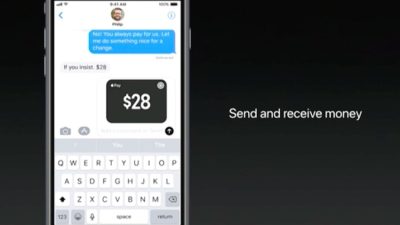
- Peer-to-Peer Payments: Google Pay allows users to send money directly to friends or family, an essential feature that promotes social transactions. Apple Pay supports similar transactions through Apple Cash, though it is generally more limited in functionality compared to Google Pay.
- Security Features: Both platforms employ advanced security measures. Apple Pay uses Face ID or Touch ID for authentication and tokenization to protect card details. Google Pay leverages the Google Pay Security API, which also uses tokenization along with machine learning to detect fraudulent transactions.
Technological Infrastructure Behind Apple Pay and Google Pay
The infrastructure that underpins Apple Pay and Google Pay enhances their functionality and security, ensuring efficient payment processing. Both systems rely on Near Field Communication (NFC) technology, which enables contactless transactions. This technology allows devices to communicate when they are within close proximity, facilitating fast and secure payments.
“NFC technology serves as the backbone of mobile payments, providing a seamless transaction experience.”
Another critical component of their infrastructure is secure transaction processing. Apple Pay utilizes a method called “Secure Element,” a dedicated chip in devices that securely stores payment information. Google Pay employs a layered security model that includes encrypted user data and tokenization for card transactions.Furthermore, both Apple and Google have established partnerships with various financial institutions and payment networks, ensuring that their users have access to a broad spectrum of banking services.
These collaborations not only enhance user trust but also expand the ecosystem within which each payment service operates. In conclusion, the integration of advanced technologies and user-focused design makes Apple Pay and Google Pay stand out in the digital payment landscape, providing unmatched convenience and security for users worldwide.
User Experience and Interface

Apple Pay and Google Pay have both transformed the way users conduct transactions in today’s digital age. Each platform offers distinct features tailored to enhance user experience, making it essential to understand their differences. Both systems prioritize user-friendly interfaces, yet their aesthetics and functionalities vary, catering to different user preferences and device ecosystems.
Comparison of User Interfaces
Apple Pay is integrated seamlessly into the iOS ecosystem, adopting a minimalist design that emphasizes ease of use. The interface features simple navigation with large icons, providing users with a visually appealing experience. The wallet interface allows users to store multiple cards, loyalty cards, and tickets, all accessible with a single tap or swipe. In contrast, Google Pay boasts a more colorful and dynamic layout, providing a dashboard-like experience where users can view their recent transactions, offers, and promotions at a glance.
Setting up both platforms is straightforward, though the steps differ slightly:
Setup and Usage Steps
To set up Apple Pay:
- Open the Wallet app.
- Tap the “+” sign to add a new card.
- Scan your card or enter the details manually.
- Follow the prompts to verify your card with your bank.
- Start making payments using Face ID, Touch ID, or passcode.
For Google Pay:
- Download the Google Pay app from the Play Store or App Store.
- Open the app and select “Payment methods.”
- Tap “Add a payment method” and choose your card type.
- Enter your card details and follow the verification process.
- Once set up, you can make payments by tapping your device at supported terminals.
User feedback plays a crucial role in determining the usability of each platform. Here’s a summary of reviews highlighting user experiences with both Apple Pay and Google Pay:
User Feedback and Reviews
Evaluating user feedback reveals insights into the strengths and weaknesses of each payment solution. Here are comments and reviews reflecting their usability:Apple Pay:
- Streamlined interface that feels intuitive and easy to navigate.
- Quick payment process with Face ID and Touch ID options praised for security.
- Seamless integration with Apple devices enhances overall user experience.
- Limited availability outside Apple ecosystem may frustrate some users.
Google Pay:
- Vibrant design with easy access to promotions and transaction history.
- Convenient for Android users, offering extensive compatibility with various merchants.
- Recurring issues with card verification reported by some users.
- App can feel cluttered with multiple features, overwhelming for new users.
Security Features
In the digital age, security in payment systems has become paramount, with Apple Pay and Google Pay leading the way. Both platforms have implemented robust security measures to protect users’ financial information and ensure safe transactions. Their commitment to security not only fosters user confidence but also enhances the overall payment experience.Apple Pay employs a combination of advanced technologies to safeguard transactions, including tokenization, biometric authentication, and end-to-end encryption.
Google Pay similarly emphasizes security with its own set of protective measures, including multifactor authentication and real-time fraud detection. These strategies ensure that both services maintain high security standards, providing users peace of mind while making transactions.
Authentication Processes
Authentication processes play a critical role in securing digital payment systems. Apple Pay relies on Face ID or Touch ID for biometric authentication, ensuring that only the authorized user can access the service. This feature is supported by a unique device account number that replaces the actual card number during transactions, enhancing security.In contrast, Google Pay also utilizes biometric authentication methods such as fingerprint recognition and facial recognition.
Additionally, it implements a PIN code as an extra layer of security, requiring users to enter their PIN for transactions above a certain amount. This multifactor approach significantly reduces the risk of unauthorized access.
Encryption Methods
Both Apple Pay and Google Pay utilize industry-standard encryption methods to protect sensitive data. Here is a comparison of their encryption techniques:
| Feature | Apple Pay | Google Pay |
|---|---|---|
| Encryption Type | AES (Advanced Encryption Standard) | AES (Advanced Encryption Standard) |
| Tokenization | Yes, uses dynamic security codes | Yes, uses unique transaction identifiers |
| End-to-End Encryption | Yes, for all transactions | Yes, for all transactions |
| Data Storage | Encrypted on device | Encrypted in cloud storage |
The table above illustrates that both Apple Pay and Google Pay utilize similar encryption standards, emphasizing their commitment to user security. Apple Pay focuses on local encryption and dynamic security features, while Google Pay leverages cloud-based storage with robust security protocols. These measures collectively contribute to a safer digital payment landscape, ensuring that users can make transactions with confidence and ease.
Acceptance and Compatibility

Apple Pay and Google Pay have emerged as leaders in the digital payment landscape, each with a distinct network of acceptance among merchants and platforms. Understanding the reach and compatibility of these services is crucial for consumers and businesses alike, as it directly impacts the convenience and ease of transactions in their daily lives.Both Apple Pay and Google Pay are widely accepted across various sectors, enhancing the shopping experience for countless users.
The types of merchants that typically accept these payment methods include retail stores, restaurants, e-commerce platforms, and service providers. Notably, major retailers such as Walmart, Target, and Starbucks embrace Apple Pay and Google Pay, providing customers with the flexibility to choose their preferred payment method seamlessly.
Adoption Rates and Regional Acceptance
The adoption rates of Apple Pay and Google Pay vary significantly across different regions, influenced by factors such as smartphone penetration, consumer preferences, and merchant partnerships. In North America, for instance, Apple Pay has captured a substantial market share, accounting for over 45% of mobile payment transactions, while Google Pay holds a respectable position with around 30%. The following statistics highlight the competitive landscape:
- In the United States, as of 2023, around 40% of retailers accept Apple Pay, while Google Pay is accepted by approximately 30%.
- In Europe, the acceptance rates differ, with Apple Pay leading in countries like the UK and France, while Google Pay gains traction in regions such as Germany and the Netherlands.
- In Asia, particularly in markets like India, Google Pay has seen remarkable growth, with an adoption rate surpassing 50% due to its compatibility with local payment systems.
Device and Operating System Compatibility
Compatibility is a key factor for both Apple Pay and Google Pay, affecting the ease of use for consumers. Apple Pay is primarily designed for Apple devices, including iPhones, iPads, Apple Watches, and Macs. It operates seamlessly within the iOS ecosystem, allowing users to transact effortlessly across various applications and platforms. In contrast, Google Pay offers broader compatibility, functioning on a wider range of devices and operating systems.
Google Pay is available on Android smartphones, tablets, and even certain wearables, making it accessible to a diverse user base. The service also extends to web browsers and is supported by various financial institutions, enhancing its appeal among consumers who prefer versatility.
“The ability to pay with a simple tap or click is revolutionizing the way consumers interact with merchants, making the choice between Apple Pay and Google Pay more significant than ever.”
As both services evolve, their acceptance and compatibility continue to expand, catering to an increasing demand for efficient and secure payment options in our fast-paced digital world.
Reward Programs and Incentives
Both Apple Pay and Google Pay have made strides in creating enticing reward programs that cater to diverse consumer preferences. These systems are designed to enhance user engagement and provide tangible benefits, making digital payments more rewarding than ever. As users increasingly seek value in their transactions, understanding the rewards associated with these payment platforms becomes essential for informed financial decisions.
Reward Systems Overview
Apple Pay and Google Pay each offer unique rewards programs that enable users to earn cash back, points, or other incentives. Apple Pay primarily integrates rewards from associated credit and debit cards, while Google Pay features its own programs and partnerships for added benefits. This results in distinct experiences for users depending on their choice of digital wallet.
Promotional Offers and Cashback Programs
Both services provide various promotional offers and cashback opportunities to enhance user experience. Users can benefit from exclusive deals that can be applied to everyday purchases or special events. Here’s a comparison of some notable offers from each platform:
- Apple Pay: Users can earn up to 3% cash back on select purchases made with Apple Card and have access to limited-time offers through Apple Wallet. Certain merchants also provide exclusive discounts for Apple Pay users.
- Google Pay: Google Pay users can earn rewards points for transactions, which can be redeemed for gift cards or discounts. Occasionally, promotional campaigns offer cash back on specific merchants or categories, often including popular retailers.
Partner Banks and Financial Institutions
Numerous banks and financial institutions collaborate with both Apple Pay and Google Pay to provide users with enhanced incentives. Users can enjoy additional perks through partnerships that amplify the rewards they earn through these platforms. Below is a list of banks that partner with either service:
- Apple Pay Partners:
- Goldman Sachs (Apple Card)
- Capital One
- Chase
- Bank of America
- Google Pay Partners:
- Chase
- Citi
- Wells Fargo
- PNC Bank
“By leveraging partnerships, both Apple Pay and Google Pay create ecosystems where users can maximize their rewards potential, enhancing the overall value of digital payments.”
International Usage

Digital payment systems have transcended borders, allowing users to conduct financial transactions with ease across the globe. Both Apple Pay and Google Pay have made significant strides in offering their services internationally, catering to the needs of travelers and expatriates alike. Their global reach enhances convenience while maintaining user-friendly features that streamline transactions, regardless of location.The global footprint of Apple Pay and Google Pay varies, with each service establishing partnerships with local banks and merchants in numerous countries.
As of now, Apple Pay is accepted in over 60 countries, whereas Google Pay boasts compatibility in around 40 nations. This expansive reach enables users to make purchases in local currencies seamlessly, but it also introduces considerations regarding currency conversion fees and potential charges.
Currency Conversion Fees and Charges
When using digital wallets for international transactions, users may encounter currency conversion fees that can impact the overall cost of purchases. Understanding these fees is essential for maximizing value while traveling or making overseas purchases. The following highlights key points regarding the fees associated with Apple Pay and Google Pay:
- Apple Pay: Users may incur foreign transaction fees through their bank or card issuer when making purchases abroad. While Apple Pay itself does not charge a fee, banks can levy charges that typically range from 1% to 3% of the transaction amount, depending on the user’s financial institution.
- Google Pay: Similar to Apple Pay, Google Pay does not impose additional fees directly. However, users may be subject to their bank’s foreign transaction fees, which can also range from 1% to 3% of the transaction, impacting the total cost of the purchase.
Travelers should remain aware of these fees, as they can add up quickly when making multiple transactions in different currencies.
Challenges of Using Digital Payment Systems Abroad
While Apple Pay and Google Pay offer convenient payment solutions, users face specific challenges that may affect their experience overseas. Acknowledging these challenges can empower users to navigate international transactions more effectively.
- Merchant Acceptance: Not all merchants abroad accept digital wallets. Users may need to carry cash or alternative payment methods to ensure they can complete transactions at establishments that do not support Apple Pay or Google Pay.
- Device Compatibility: International use is contingent upon having a compatible device. Users must ensure their smartphones are unlocked and compatible with local payment systems, which can vary by region.
- Network Availability: Mobile payment systems rely on network connectivity. In some areas, limited internet access may hinder the ability to transact, making offline payment options necessary.
- Fraud Alerts: Users may encounter fraud alerts from their banks when attempting to use their cards in different countries, potentially freezing their accounts until they verify their identity.
Navigating these challenges is vital for users to enjoy a seamless international payment experience. By preparing in advance and understanding potential fees, travelers can leverage Apple Pay and Google Pay to enhance their financial transactions while abroad.
Future Trends in Digital Payments
As the landscape of digital payments continues to evolve, both Apple Pay and Google Pay are at the forefront of innovation. With the rise of mobile payment solutions, consumers are adopting contactless and seamless transaction methods at an unprecedented rate. The future promises to usher in new technologies that will further enhance user experience and expand the functionalities of these digital wallets.Technological advancements are set to revolutionize the digital payment sphere, with trends such as cryptocurrency integration, biometric authentication, and AI-driven personalized experiences leading the charge.
These innovations will not only streamline transactions but also provide users with unprecedented levels of convenience and security.
Emerging Trends in Mobile Payments
The future of mobile payments is characterized by rapid technological advancements and changing consumer behaviors. Businesses and financial institutions are continually adapting to new trends that reshape the market. Here are some key expert predictions regarding the evolution of digital wallets:To understand the landscape, it’s crucial to highlight these predictions that reflect the direction of mobile payments:
- Increased adoption of blockchain technology will enhance transaction security and transparency.
- Integration of cryptocurrencies as payment options will become more prevalent, allowing users to transact using digital currencies.
- Biometric authentication methods, such as facial recognition and fingerprints, will be standard, improving security for users.
- AI and machine learning will drive personalized user experiences, offering targeted promotions and customized financial management tools.
- Expansion of contactless payment solutions in emerging markets will increase accessibility for unbanked populations.
- Enhanced loyalty programs through digital wallets will incentivize customer retention and engagement.
- Voice-activated payments will become mainstream, allowing seamless transactions through voice-activated devices.
“The future of payments is about integration, personalization, and security, creating a frictionless experience for users.”
This shift towards innovative, user-friendly interfaces is not just a trend; it represents a fundamental change in how consumers interact with financial transactions. The digital payment ecosystem will grow more interconnected, providing users with a holistic approach to managing their finances.
User Queries
What is the main difference between Apple Pay and Google Pay?
The main difference lies in their ecosystems; Apple Pay is integrated primarily within Apple’s devices, while Google Pay works seamlessly across Android and web platforms.
Are there any fees for using Apple Pay or Google Pay?
Both Apple Pay and Google Pay do not charge users for transactions, but there may be fees associated with certain transactions or services depending on the bank or merchant.
Which payment system is more widely accepted?
Acceptance can vary by region, but both systems are widely accepted in various retail locations, with Google Pay having a slight edge in Android-dominated markets.
Can I use Apple Pay or Google Pay internationally?
Yes, both Apple Pay and Google Pay can be used internationally; however, users should be aware of potential currency conversion fees and international transaction charges.
Which payment service has better security features?
Both services offer robust security features, including encryption and biometric authentication, but the effectiveness can depend on user practices and device security.