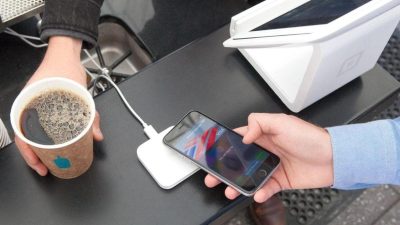
Google Pay versus Apple Pay presents a thrilling battle between two of the most popular mobile payment systems that have transformed the way we transact. As digital wallets gain traction, both platforms offer unique features that cater to diverse consumer needs while influencing shopping behaviors across the globe.
In this discussion, we delve into the core elements of both services, exploring their functionalities, security measures, and market presence, uncovering how they stand up against each other in today’s fast-paced digital economy.
Overview of Mobile Payment Systems
The emergence of mobile payment systems has revolutionized the way consumers conduct transactions. With the increasing prevalence of smartphones, mobile wallets have gained immense popularity, offering convenience and security that traditional payment methods often lack. The shift towards digital transactions has not only altered consumer behavior but has also reshaped the retail landscape as businesses adapt to cater to tech-savvy customers.Mobile payments leverage various technologies, allowing users to perform transactions directly from their mobile devices.
These systems enable users to make purchases, pay for services, and transfer money seamlessly. The growing preference for cashless transactions can be attributed to factors such as speed, ease of use, and the integration of loyalty programs. These advantages are driving a significant shift in consumer habits, making mobile payments an integral part of everyday life.
Comparison of Mobile Payment Technologies
Understanding the different mobile payment technologies available today is essential for consumers and businesses alike. These technologies include Near Field Communication (NFC), QR codes, and digital wallets. Each has its unique way of facilitating transactions, and their effectiveness can vary based on specific use cases and consumer preferences.
Near Field Communication (NFC)
This technology allows devices to communicate wirelessly when they are brought close together. NFC is used by services like Google Pay and Apple Pay to enable quick and secure payments at point-of-sale terminals. This method is favored for its ease of use and speed.
QR Codes
These codes can be scanned using a smartphone camera to execute transactions. Popular in regions where NFC infrastructure is limited, QR codes provide a flexible payment option, commonly used in retail and restaurant settings. Users can scan a code displayed at a merchant’s location to complete their purchase.
Digital Wallets
These applications, such as PayPal and Venmo, store payment information and allow users to send money to others easily. Digital wallets can also integrate with loyalty and rewards programs, enhancing the shopping experience and encouraging customer retention.
Market Share of Google Pay and Apple Pay
In the competitive landscape of mobile payment systems, Google Pay and Apple Pay are two of the leading players. Their market share reflects their popularity and consumer preferences in digital payments. Recent studies indicate that Apple Pay holds a significant portion of the market, often attributed to the strong ecosystem of Apple devices and user loyalty.
Apple Pay
As of recent estimates, Apple Pay accounts for approximately 45% of the mobile payment market in the United States. Its integration with iOS devices ensures that users have easy access to payment methods right from their smartphones and smartwatches. Apple Pay’s emphasis on security, with features like biometric authentication, further enhances its appeal among consumers.
Google Pay
With a growing market share of about 30%, Google Pay is rapidly gaining traction, especially among Android users. The platform’s ability to integrate various payment methods, from bank accounts to credit cards, and its user-friendly interface make it a popular choice. Google Pay has also expanded its functionalities to include peer-to-peer payments and loyalty program integrations.
“Mobile payment systems are not just a trend; they are reshaping how consumers interact with businesses and manage their finances.”
The competition between these two giants continues to drive innovation within the mobile payment sector, ensuring that users benefit from improved services and features as they navigate their digital transactions.
Features of Google Pay
Google Pay is revolutionizing the way consumers transact in today’s fast-paced digital world. With a seamless and user-friendly experience, Google Pay combines convenience with a wealth of features designed to enhance mobile payments. Below, we explore the key features that make Google Pay a preferred choice for millions worldwide.
Key Features of Google Pay
Google Pay offers a variety of features that cater to diverse user needs and preferences. Its intuitive interface allows users to send money, pay bills, and make purchases effortlessly. Some of the standout functionalities include:
- Tap-to-Pay Functionality: Users can make contactless payments at millions of locations that accept NFC payments, simply by tapping their smartphones.
- Integration with Loyalty Programs: Google Pay allows users to store their loyalty cards and earn rewards directly through the app, simplifying the process of earning points and redeeming offers.
- Peer-to-Peer Payments: Sending money to friends and family is a breeze, with instant transfers and the ability to request money with just a few taps.
- Transaction History Tracking: Users can easily track their spending patterns, view transaction histories, and manage finances all within the app.
Security Measures Implemented by Google Pay
Security is paramount in financial transactions, and Google Pay implements robust measures to safeguard users’ personal information and funds. Key security features include:
- Tokenization Technology: Instead of transmitting actual card information, Google Pay uses a unique token for each transaction, ensuring sensitive data remains secure.
- Biometric Authentication: Users can rely on fingerprint or facial recognition to authorize payments, adding an extra layer of security.
- Fraud Detection Mechanisms: Advanced algorithms analyze user behavior and transactions in real-time, flagging any suspicious activity to prevent fraud.
- Encryption Standards: Google Pay employs strong encryption protocols to protect data transmission, ensuring that user information is safe from potential threats.
Integration with Google Services and Third-Party Applications
The seamless integration of Google Pay with other Google services and third-party applications enhances its usability significantly. Users can enjoy a streamlined experience across various platforms, thanks to its compatibility with:
- Google Assistant: Users can make payments via voice commands through Google Assistant, providing a hands-free payment option for added convenience.
- Google Maps: Users can find nearby businesses that accept Google Pay directly within Google Maps, simplifying the payment process while on the go.
- Shopping Apps: Many popular third-party apps support Google Pay, allowing users to check out quickly without needing to enter payment details repeatedly.
- Wallet Functionality: Google Pay acts as a digital wallet, storing not only payment methods but also tickets, boarding passes, and other essential documents.
Features of Apple Pay
Apple Pay redefines the way users make transactions by providing a seamless, secure, and user-friendly payment experience. Built into Apple devices, it allows customers to pay in physical stores, online, and within apps, all while maintaining the high standards of security that Apple is known for.Apple Pay boasts several standout features that enhance the user experience and provide significant advantages.
One of its key selling points is the ease of use; customers can simply tap their iPhone or Apple Watch at the contactless terminal to complete a purchase. Apple Pay supports various payment methods, including credit and debit cards, and can even store loyalty cards and tickets. This integration means users no longer need to carry physical cards or cash, simplifying the payment process.
Security Protocols of Apple Pay
Security is a cornerstone of Apple Pay. The system employs advanced security protocols to ensure that sensitive information remains protected. Key features include:
- Tokenization: Instead of transmitting your actual credit card number, Apple Pay uses a unique Device Account Number that is securely stored on the device. This means that your real card details are never shared with merchants.
- Biometric Authentication: Transactions require authentication via Face ID or Touch ID, adding an extra layer of security. This ensures that only the device owner can authorize payments.
- Encryption: All transaction data is encrypted during transmission, making it virtually impossible for hackers to intercept sensitive information.
“Apple Pay’s security features not only protect personal information but also provide users with the peace of mind to shop freely and confidently.”
Compatibility with Apple Devices and Services
Apple Pay seamlessly integrates with a range of Apple devices, making it a convenient choice for existing Apple users. It is compatible with iPhone models starting from the iPhone 6, as well as the Apple Watch, iPad, and Mac. This broad compatibility allows users to make purchases across various platforms, whether in-store, online, or through apps.Users can also leverage Apple Pay within other Apple services.
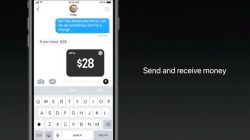
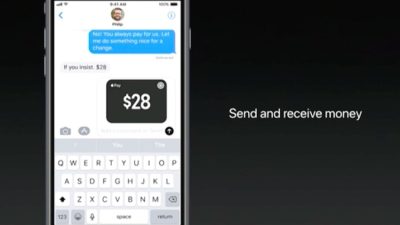
For instance, it can be used in the App Store, iTunes, and Apple Music to simplify purchasing digital content. Moreover, the ability to send and receive money through Apple Cash adds another layer of versatility to the service, allowing for quick peer-to-peer transactions directly from the Messages app.
“With Apple Pay, convenience meets security, providing a cohesive payment solution across all Apple devices.”
User Experience and Interface Design
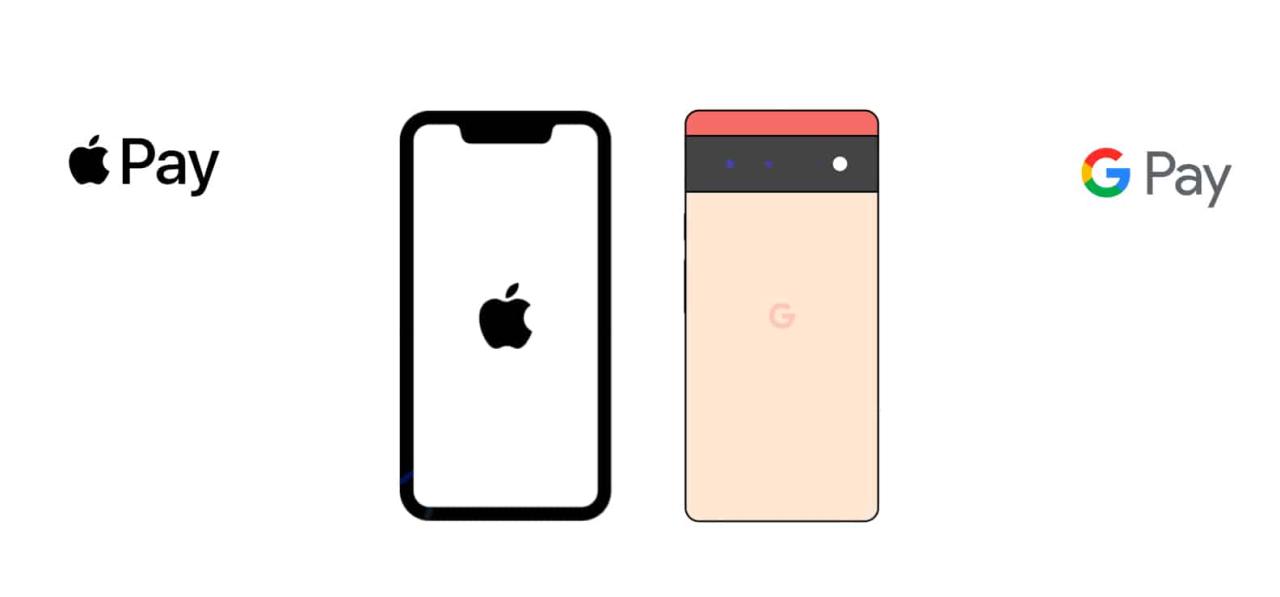
The user experience and interface design of mobile payment systems play a crucial role in their adoption and overall satisfaction among consumers. A seamless, intuitive interface can significantly enhance the transaction process, making users feel more confident and comfortable using the service. Both Google Pay and Apple Pay have made strides in optimizing their user interfaces, but they do so in distinctly different styles and approaches.When comparing the user interface design of Google Pay and Apple Pay, it becomes evident that usability aspects are tailored to their respective ecosystems.
Google Pay’s interface is designed to be straightforward and adaptable, integrating well with a variety of Google services. In contrast, Apple Pay offers a more cohesive and visually appealing design, reflecting Apple’s design philosophy of minimalism and elegance.
User Interface Comparisons
The structure and layout of both payment systems contribute significantly to how users interact with them. Here are key aspects highlighting their differences:
- Navigation: Google Pay utilizes a card-based layout that allows users to quickly access various payment options and transaction history. In contrast, Apple Pay features a more streamlined interface with a focus on simplicity, enabling users to initiate payments with just a few taps.
- Aesthetics: Google Pay’s vibrant color scheme and iconography make transactions feel dynamic. Apple Pay embodies a sleek, white-space-heavy design, emphasizing clarity and ease of use.
- Integration: Google Pay integrates well with Android devices, offering features like Google Assistant for voice commands. Apple Pay, being part of the Apple ecosystem, allows easy integration with Apple Wallet and other Apple services, enhancing user convenience.
The usability of these platforms can also be illustrated through user experience scenarios. For example, a user at a coffee shop using Google Pay might quickly navigate through their virtual wallet, tapping on the loyalty card feature to earn rewards while seamlessly completing the payment with their smartphone. Conversely, an Apple Pay user can simply double-click the side button on their iPhone, authenticate with Face ID or Touch ID, and hold their device near the payment terminal—a process that is both quick and visually satisfying.The design of these payment systems significantly influences consumer adoption and satisfaction.
A well-designed interface not only attracts users but also encourages them to make transactions more frequently. According to recent studies, users are more likely to continue using a mobile payment app that provides a pleasant experience, showcasing the importance of user-centric design in driving loyalty and usage rates.
“Intuitive design transforms transactions into enjoyable experiences, leading to increased consumer engagement and satisfaction.”
In conclusion, the user experience and interface design of Google Pay and Apple Pay are pivotal in shaping how consumers interact with these mobile payment systems. Each platform brings its unique design philosophy to the table, catering to different user preferences and enhancing the overall payment experience.
Transaction Fees and Payment Processing
When it comes to mobile payments, understanding transaction fees and processing speed is crucial for both consumers and merchants. These factors can significantly influence the choice between Google Pay and Apple Pay. Each platform has its own fee structure and processing speed that users should consider when selecting a payment method.
Transaction Fees for Consumers and Merchants
Mobile payment systems like Google Pay and Apple Pay typically have minimal fees for consumers using their services. However, merchants experience different fee structures that can impact their decision to adopt one platform over the other. For consumers, both Google Pay and Apple Pay do not charge additional fees for transactions made with linked debit cards. However, credit card transactions may incur fees depending on the card issuer’s terms.
Merchants generally face transaction fees as follows:
- Google Pay: Merchants usually pay a fee of around 2.9% per transaction when using Google Pay. This fee is similar to the fees incurred when using other credit card processing methods.
- Apple Pay: Apple Pay has a comparable fee structure, with merchants also paying around 2.65% per transaction. This fee applies only to credit card transactions and is often integrated into the existing payment processing systems businesses use.
Both platforms may offer promotional rates for new merchants or specific industries, which can influence their overall cost-effectiveness.
“Understanding transaction fees is essential for merchants to effectively manage their payment processing costs.”
Payment Processing Speed Comparison
The speed at which transactions are processed can significantly impact the user experience. Quick and efficient payment processing is crucial for consumer satisfaction and merchant operations. Both Google Pay and Apple Pay utilize Near Field Communication (NFC) technology, which allows for rapid transactions. However, some distinctions exist:
- Google Pay: Typically processes transactions in less than 10 seconds, making it a quick option for users who value speed. This is especially beneficial in retail environments where efficiency is key.
- Apple Pay: Also offers rapid processing times, often completing transactions within 5 to 10 seconds. Users have reported a seamless experience with minimal lag, contributing positively to the overall checkout experience.
Both platforms leverage biometric authentication, such as fingerprint or facial recognition, to secure transactions while maintaining speed.
“Faster payment processing enhances customer satisfaction and can lead to increased sales for merchants.”
Implications of Transaction Fees on User Choices
Transaction fees and processing speeds can significantly sway user preferences between Google Pay and Apple Pay. Understanding these implications is vital for both consumers and merchants. For consumers, the lack of extra fees for debit transactions on both platforms makes them attractive options for everyday purchases. However, if users frequently rely on credit cards, the variance in fees may lead them to prefer one service over the other based on their financial strategies.
For merchants, transaction fees become a vital consideration when integrating a mobile payment solution into their operations. A slight difference in fees can accumulate significantly over time, especially for high-volume merchants. Consequently, businesses often analyze potential savings and decide based on their customer demographics and transaction types.
“Choosing a mobile payment solution should consider both transaction costs and the overall user experience.”
Availability and Accessibility
The reach and usability of mobile payment systems are paramount in today’s fast-paced digital environment. Google Pay and Apple Pay have established themselves as frontrunners in facilitating seamless transactions, yet their availability and accessibility vary across different regions and user demographics. Understanding the geographical reach, accessibility features, and merchant compatibility of these platforms provides valuable insight for users looking to enhance their payment experiences.
Geographical Reach and Market Availability
Both Google Pay and Apple Pay have made significant strides in expanding their services globally, yet their availability can differ markedly. Google Pay, for instance, is available in over 40 countries and supports transactions in local currencies, making it a versatile choice for international users. Apple Pay, while also accessible in numerous regions, has a slightly narrower footprint, primarily focusing on markets where Apple devices are prevalent.
- Google Pay is widely accepted in countries such as the United States, India, Canada, and several European nations.
- Apple Pay thrives in markets with a strong iOS user base, including the United States, UK, Australia, and parts of Asia.
- Both platforms continuously expand their services, with Google Pay recently entering new markets in Southeast Asia to reach a broader audience.
Accessibility Features for Diverse User Demographics
Accessibility is crucial for ensuring that all users can utilize mobile payment systems effectively. Google Pay and Apple Pay have implemented various features tailored to diverse populations, including those with disabilities or varying levels of tech-savviness.
- Google Pay offers voice commands and screen reader compatibility, making it easier for visually impaired users to navigate the app.
- Apple Pay integrates with VoiceOver technology for Apple devices, ensuring users can complete transactions effortlessly.
- Both platforms provide multilingual support, catering to users who speak different languages and enhancing usability across varying demographics.
Compatibility with Merchants and Online Services
The effectiveness of a mobile payment system is largely determined by its acceptance among merchants and online services. Both Google Pay and Apple Pay have established strong partnerships to enhance their usability across various platforms.
- Google Pay is accepted at a vast range of merchants, including large retailers, restaurants, and online marketplaces, providing users with flexibility in their transactions.
- Apple Pay enjoys similar compatibility, with support from major retail chains, restaurants, and e-commerce platforms, making it a reliable choice for Apple device users.
- Both platforms enable secure in-app purchases, allowing users to shop effortlessly while enjoying robust security features that protect their financial information.
Security and Privacy Concerns
Mobile payments have revolutionized the way consumers conduct transactions, but with this convenience comes the necessity for robust security measures and privacy protections. Both Google Pay and Apple Pay have built their services around protecting user data, aiming to provide peace of mind while making transactions simpler and faster.Security is paramount in mobile payment systems, and both Google Pay and Apple Pay implement advanced features to safeguard user information and prevent unauthorized access.
While there are similarities in their approaches, each platform has unique characteristics that define their security features. It is crucial for users to understand these differences to make informed choices about which service aligns with their security preferences.
Privacy Policies and Data Handling
Both Google Pay and Apple Pay have established privacy policies that detail how user data is collected, utilized, and protected. Google Pay’s privacy policy emphasizes its commitment to transparency, stating that user transaction data is not sold to third parties. It also mentions that users can control the information shared with Google, allowing for a tailored experience while maintaining privacy.In contrast, Apple Pay operates on a principle of minimal data collection.
Apple states that it does not track or store transaction data tied to a user’s identity. Instead, Apple Pay generates a unique token for each transaction, enhancing anonymity. This distinction in privacy policies plays a significant role in user perception and trust.
Security Features Against Fraud
The security features of Google Pay and Apple Pay are designed to protect users from fraud and unauthorized transactions. Here are key measures employed by each platform:
- Tokenization: Both services use tokenization, replacing sensitive card information with unique identifiers that are useless if intercepted.
- Biometric Authentication: Apple Pay relies on Face ID or Touch ID for authentication, while Google Pay supports fingerprint scanning and PIN codes to authorize payments.
- Encryption: Both platforms utilize encryption technology to secure transaction data during transmission, ensuring that it remains confidential.
- Real-time Alerts: Users receive real-time notifications for transactions, enabling immediate awareness of any unauthorized activity.
These security features work in tandem to create a secure environment for users, significantly reducing the chances of fraud.
Public Perception of Security
Public perception of security between Google Pay and Apple Pay varies, influenced largely by their respective security practices and brand reputations. Apple Pay has often been viewed as a more secure option due to its stringent privacy policies and the company’s long-standing emphasis on user privacy. Many consumers appreciate Apple’s approach of not collecting personal data linked to transactions.Conversely, Google Pay has made strides in improving its security features but is sometimes perceived as less secure due to its data collection practices across other Google services.
Users often express concerns regarding how their data might be used, despite Google’s assurances of data protection.
“The strength of a mobile payment system lies not only in its convenience but significantly in how well it protects user information.”
Ultimately, users must weigh the benefits of convenience against their comfort levels regarding data privacy and security features when choosing between Google Pay and Apple Pay.
Future Developments and Trends
As the digital landscape continues to evolve, Google Pay and Apple Pay are at the forefront of revolutionizing mobile payment systems. With technological advancements and shifting consumer preferences, both platforms are poised for significant enhancements that will redefine the payment experience. This section delves into anticipated features, emerging technologies, and consumer trends that could shape the future of these services.
Anticipated Features and Enhancements
Both Google Pay and Apple Pay are expected to introduce new functionalities that enhance user convenience and security. Upcoming features may include:
- Enhanced Integration with Smart Devices: Both platforms are likely to deepen their integration with IoT devices, allowing users to make payments directly from wearables and smart appliances.
- Expanded Loyalty Program Features: Expect more robust features that integrate loyalty points and rewards, enabling users to earn and redeem rewards seamlessly during transactions.
- Increased Support for Cryptocurrencies: As cryptocurrencies gain popularity, both Google Pay and Apple Pay may offer options for users to transact using digital currencies, making mobile payments more diversified.
- Augmented Reality (AR) Payments: Future developments may include AR features that facilitate virtual shopping experiences and enhance interactions during transactions.
Impact of Emerging Technologies on Mobile Payments
Emerging technologies like blockchain, AI, and 5G are set to transform mobile payment systems significantly.
- Blockchain Technology: Utilizing blockchain can enhance transaction security and transparency, reducing fraud and ensuring faster processing times.
- Artificial Intelligence: AI can personalize the user experience through smart recommendations and streamlined customer service, making transactions more efficient and tailored to individual preferences.
- 5G Connectivity: The rollout of 5G networks will allow for quicker transaction speeds and improved reliability, enhancing the overall mobile payment experience.
Trends in Consumer Preferences
Consumer preferences are shifting, influencing the evolution of mobile payment services. Key trends include:
- Demand for Contactless Payments: The increase in health-conscious consumers has accelerated the demand for contactless payment methods, making it a priority for both services to enhance their contactless features.
- Focus on Sustainability: As consumers become more environmentally aware, mobile payment systems may incorporate features that promote sustainable practices, such as integrations with eco-friendly retailers.
- Personalization and Customization: Users are seeking personalized payment experiences, compelling payment services to utilize data analytics for tailored offerings.
“Future mobile payment systems will be defined by their ability to adapt to user needs and integrate with the latest technological advancements.”
Clarifying Questions
Which is more secure Google Pay or Apple Pay?
Both services employ robust security measures; however, Apple Pay is often praised for its stronger privacy policies, leveraging device-specific security features.
Can I use Google Pay and Apple Pay internationally?
Yes, both platforms support international transactions, but availability varies by region and merchant acceptance.
Are there any rewards programs associated with Google Pay or Apple Pay?
While both services may offer rewards, the specifics depend on the linked credit or debit cards rather than the payment platforms themselves.
Do I need an app to use Google Pay or Apple Pay?
Yes, both services require an app download for mobile devices, although integration with other applications can enhance usability.
How do transaction speeds compare between Google Pay and Apple Pay?
Transaction speeds are generally similar, with both offering quick payment processing, although actual speed may depend on the merchant’s infrastructure.