Google Pay vs Apple Pay is not just a battle of apps; it’s a clash of two titans in the world of mobile payments. As our economy becomes increasingly digital, understanding these platforms is essential for consumers and merchants alike. In this exploration, we will delve into the key features, user experiences, and global reach of these two leading payment systems, revealing what makes each unique and preferred by different demographics.
With mobile payments on the rise, both Google Pay and Apple Pay offer innovative solutions that cater to the evolving needs of users. From transaction security to compatibility with various devices, the competition is heating up, making it vital to compare their strengths and weaknesses to determine which one truly reigns supreme.
Overview of Mobile Payment Systems
Mobile payment systems have emerged as a pivotal component of the digital economy, allowing consumers to make transactions conveniently and securely using their smartphones or other mobile devices. With the rapid advancement of technology, the adoption of mobile payments has surged, changing the way people conduct financial transactions. As consumers increasingly prioritize convenience, mobile payment systems have become essential for both businesses and users, streamlining payment processes and enhancing the shopping experience.Recent statistics highlight the growing trend in mobile payment usage, with reports indicating that the global mobile payment market was valued at approximately $1.1 trillion in 2021 and is expected to grow significantly in the coming years.
Google Pay and Apple Pay dominate this market, with millions of active users. For instance, Apple Pay has seen a substantial increase, boasting over 500 million users worldwide, while Google Pay continues to expand its user base, particularly in regions with high smartphone penetration.
Features of Mobile Payment Systems
Mobile payment systems offer a variety of features that cater to the needs of modern consumers. These features enhance the user experience and provide security, accessibility, and convenience. Below are some key characteristics of popular mobile payment systems like Google Pay and Apple Pay:
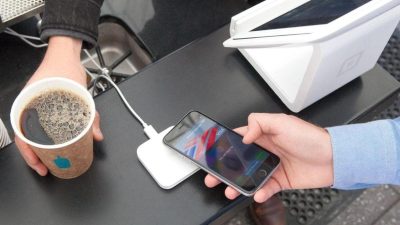
- Contactless Payments: Users can make transactions by simply tapping their device at a point-of-sale terminal, promoting swift and hassle-free payments.
- Integration with Loyalty Programs: Many systems allow users to link their loyalty cards, enabling them to earn rewards seamlessly during transactions.
- Enhanced Security Measures: Technologies such as tokenization and biometric authentication ensure that users’ financial information remains protected.
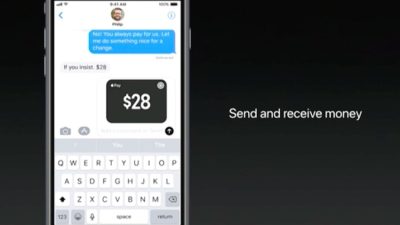
- Peer-to-Peer Transfers: Users can send money to friends and family quickly, making it easy to settle personal debts or share expenses.
- In-App Purchases: Mobile payment systems facilitate seamless purchases within apps, enhancing the digital shopping experience.
“Mobile payments are not just a trend; they are a transformation in how we interact with money in our daily lives.”
These features illustrate how mobile payment systems are revolutionizing financial transactions, making them more efficient and user-friendly. As technology continues to evolve, the importance of these services is likely to increase, further embedding mobile payments into the fabric of everyday commerce.
Google Pay Features
Google Pay is a powerful mobile payment platform designed to make transactions simple, secure, and efficient. With a myriad of features that enhance user convenience, it stands out in the competitive landscape of mobile payment systems. Whether you’re making purchases online, in-store, or sending money to friends, Google Pay offers an intuitive experience that caters to your needs.
Key Features and Functionalities
Google Pay includes several core features that streamline the payment process. Understanding these functionalities is essential for users looking to make the most of their mobile payments.
- Tap to Pay: With NFC technology, users can make contactless payments at thousands of merchants. Just tap your phone on the payment terminal, and you’re all set.
- Send and Receive Money: Google Pay allows users to quickly send money to friends and family with just an email address or phone number. This feature simplifies splitting bills or sending gifts.
- In-App Purchases: Google Pay facilitates quick transactions within various apps, enhancing the shopping experience by allowing users to skip lengthy checkout processes.
- Loyalty and Rewards: Users can store loyalty cards and receive rewards directly through Google Pay, making it easier than ever to track points and redeem offers.
- Bill Management: Google Pay provides a convenient way to manage bills, offering reminders and easy payment options for recurring expenses.
User Interface and User Experience (UI/UX)
The user interface of Google Pay is designed with simplicity and functionality in mind. Users can navigate the app effortlessly, thanks to its clean layout and intuitive features.
- Sleek Design: The app features a modern aesthetic, featuring vibrant colors and clear icons that guide users through their transactions.
- Personalized Dashboard: Upon opening the app, users are greeted with a personalized dashboard showcasing recent transactions, offers, and shortcuts to frequently used features.
- Easy Navigation: A bottom navigation bar allows quick access to essential features such as home, pay, and activities, enhancing the overall user experience.
Security Measures
Security is paramount in mobile payment systems, and Google Pay employs robust measures to protect user information and transactions.
- Encryption: All payment information is encrypted and stored in a secure manner, making it difficult for unauthorized parties to access sensitive data.
- Tokenization: Google Pay utilizes tokenization, which replaces sensitive card details with a unique token during transactions, ensuring that actual card numbers are never shared with merchants.
- Biometric Authentication: Users can enhance security by enabling biometric features such as fingerprint or facial recognition, ensuring that only authorized users can access the app.
- Fraud Detection: Advanced algorithms continuously monitor transactions for suspicious activity, providing an additional layer of security against fraud.
- Real-time Notifications: Users receive instant notifications for each transaction, allowing them to monitor their accounts closely and report any discrepancies immediately.
“With Google Pay, your wallet is just a tap away, offering security and convenience at your fingertips.”
Apple Pay Features
Apple Pay stands out as a leading mobile payment solution, providing users with a seamless and secure way to make transactions. Its extensive range of features not only enhances the payment experience but also prioritizes customer security and convenience. Apple Pay is designed to integrate effortlessly into the everyday lives of its users, allowing for quick payments both online and in-store.
Key Features and Functionalities
Apple Pay offers a variety of features that make it a preferred choice among users seeking efficient and secure payment options. The following are some of the standout functionalities:
- Contactless Payments: With Apple Pay, users can make contactless payments at millions of retailers worldwide, simply by holding their iPhone or Apple Watch near a compatible payment terminal.
- In-App Purchases: Apple Pay facilitates seamless in-app purchases across a wide range of applications, streamlining the payment process for users without the need for entering payment information repeatedly.
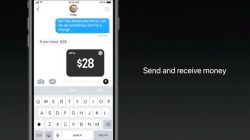
- Peer-to-Peer Payments: Users can easily send and receive money from friends and family through Apple Cash, providing a convenient way to settle bills or share expenses.
- Loyalty and Rewards Integration: Apple Pay allows users to store and use loyalty cards and rewards programs, making it easier to earn and redeem points during transactions.
User Interface and User Experience (UI/UX)
The user interface of Apple Pay is intuitively designed to ensure a smooth and engaging experience. The app integrates seamlessly within the iPhone Wallet, providing quick access to payment options and transaction history. Users can easily add payment cards by simply scanning their card details or manually entering them. The clean layout allows for easy navigation, where users can swipe through their cards and choose which one to use for their transaction.Additional features contributing to an exceptional user experience include:
- Intuitive Card Selection: Users can quickly select a default card or switch cards by simply tapping on the desired card image.
- Visual Feedback: When a payment is made, users receive instant visual confirmation through animations on their devices, enhancing the satisfaction of completing a transaction.
- Accessibility Features: Apple Pay incorporates various accessibility options, ensuring that the app is usable for individuals with disabilities, including voice commands and screen reader compatibility.
Security Measures
Security is a key focus of Apple Pay, employing multiple advanced measures to safeguard user information and transactions. The following security features exemplify Apple Pay’s commitment to user safety:
- Tokenization: Instead of using actual card numbers, Apple Pay generates unique transaction tokens, preventing sensitive card data from being transmitted during purchases.
- Biometric Authentication: Apple Pay utilizes Face ID or Touch ID for authentication, ensuring that only the authorized user can complete a transaction.
- Secure Element: All payment information is stored securely within the device’s Secure Element chip, isolated from the main operating system to protect against unauthorized access.
- Transaction Notifications: Users receive notifications for each transaction made with Apple Pay, allowing them to monitor activity and quickly identify any unauthorized use.
Compatibility and Integration
In today’s fast-paced digital landscape, compatibility and integration play a crucial role in the usability of mobile payment systems. Both Google Pay and Apple Pay have forged their paths by ensuring their platforms work seamlessly across a variety of devices and applications, enhancing customer experience and convenience.
Devices and Platforms Compatible with Google Pay
Google Pay is designed for broad compatibility with numerous devices and platforms, making it a versatile choice for users. It is supported on:
- Android Devices: Google Pay is compatible with devices running Android 5.0 (Lollipop) or higher, embracing a wide array of smartphones and tablets.
- Wear OS Devices: Smartwatches powered by Wear OS can utilize Google Pay, enabling quick transactions directly from the wrist.
- Web Browsers: Users can pay through Google Pay on supported web browsers, providing a seamless online shopping experience.
- Merchant Partners: Google Pay integrates with numerous retailers and apps, including Google Play, Airbnb, and Starbucks, facilitating easy payments across diverse platforms.
Devices and Platforms Compatible with Apple Pay
Apple Pay offers an equally impressive compatibility range, primarily focused on Apple devices. It is compatible with:
- Apple Devices: Apple Pay works on iPhone models from iPhone 6 and later, Apple Watch Series 1 and later, iPad Pro, and iPad Air 2 or later.
- Mac Computers: Mac users can make purchases through Safari using Apple Pay, provided they have an iPhone or Apple Watch nearby for authentication.
- Merchant Partners: Apple Pay is accepted at a wide range of merchants, from grocery stores to online platforms like Uber and Airbnb, making it a prominent choice for payments.
Integration with Apps and Services
The integration capabilities of Google Pay and Apple Pay significantly enhance their functionality within various apps and services, catering to user needs effectively.For Google Pay:
- Offers robust APIs for developers, allowing them to integrate Google Pay into their applications effortlessly.
- Supports loyalty programs and offers, enabling users to earn and redeem rewards seamlessly during transactions.
- Built-in functionality for sending money to friends and family through Google Pay, enhancing its social payment features.
For Apple Pay:
- Provides a smooth integration experience for developers, allowing them to implement Apple Pay in their apps and websites with ease.
- Incorporates advanced security features, such as Face ID and Touch ID, ensuring secure transactions across integrated services.
- Supports in-app purchases, providing a frictionless checkout experience for users, making transactions effortless and quick.
“Seamless integration and compatibility elevate the mobile payment experience, making transactions faster and more secure.”
Transaction Fees and Costs
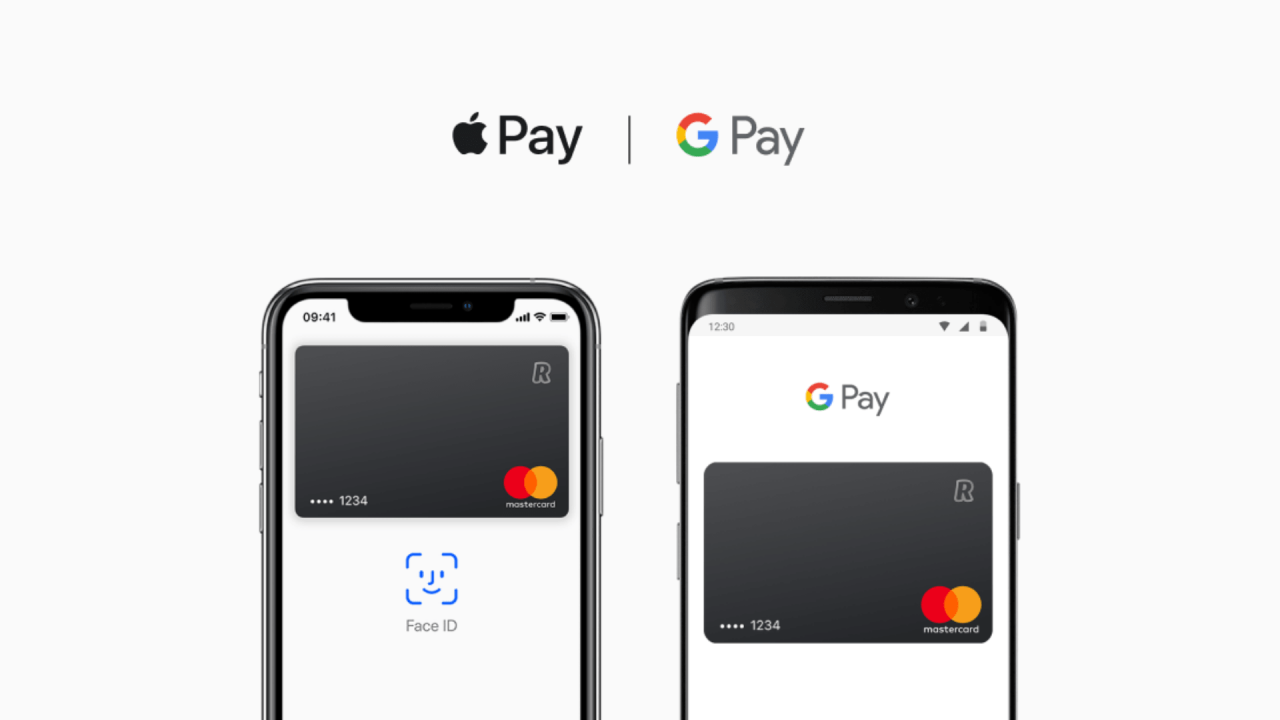
In the competitive landscape of mobile payment systems, understanding transaction fees and costs is crucial for both users and merchants. Google Pay and Apple Pay offer distinct pricing structures, which can significantly impact the overall value for consumers and businesses alike. Let’s delve into the specifics of transaction fees associated with both platforms.
Google Pay Transaction Fees
Google Pay is designed to be user-friendly and cost-effective. For consumers, sending money to friends or family is typically free when using a linked bank account or debit card. However, if a credit card is used, there is a fee of 2.9% on the transaction amount. For merchants, Google Pay charges a fixed rate of 2.9% per transaction, which provides a straightforward fee structure.
The integration of Google Pay into existing payment systems is seamless, offering businesses a convenient way to accept payments without hidden costs.
“The transaction fees for merchants using Google Pay are competitive, allowing businesses to retain more of their revenue.”
Apple Pay Transaction Fees
Apple Pay also prioritizes a frictionless user experience while maintaining transparency in its fee structure. Consumers can make payments without incurring any transaction fees when using Apple Pay linked to a debit card. However, like Google Pay, utilizing a credit card incurs a fee of 3% on the transaction amount.For merchants, Apple Pay charges a processing fee that generally aligns with typical credit card processing rates, which can range from 1.5% to 3% depending on the merchant’s agreement with the payment processor.
This fee structure can vary, as Apple Pay is integrated through various banking and payment platforms.
“Apple Pay’s fees reflect the industry standard, but merchants should be aware of additional charges from their payment processors.”
Cost-Effectiveness Comparison
When comparing the cost-effectiveness of Google Pay versus Apple Pay, several factors come into play:
1. User Fees
Both platforms offer free transactions for bank accounts and charge for credit card usage, but Google Pay has a slightly lower fee for credit card transactions.
2. Merchant Costs
Google Pay provides a more predictable fee structure with its flat 2.9% rate, while Apple Pay’s fees can vary widely based on the payment processor’s agreements.
3. Integration Costs
Depending on the existing payment infrastructure, businesses may incur different integration costs when adopting either payment system.
4. User Adoption
The popularity of each payment system among consumers can influence transaction volumes, potentially offsetting fees with increased sales.
“Ultimately, businesses should evaluate transaction volumes and their customer base to determine which payment platform provides the best financial advantage.”
In summary, while Google Pay may offer slightly lower fees for credit card transactions and a more straightforward merchant fee structure, Apple Pay’s integration through payment processors can lead to various costs that need to be considered. Both platforms provide significant benefits, and the best choice depends on individual user needs and business circumstances.
User Demographics and Preferences
As mobile payment systems continue to rise in popularity, understanding the user demographics and preferences becomes paramount. Both Google Pay and Apple Pay cater to distinct user bases shaped by various factors such as age, tech-savviness, and device loyalty. These characteristics influence how individuals choose between these two leading platforms for their digital transactions.
Google Pay User Demographics
Google Pay users predominantly include a diverse age range, with significant adoption among younger generations. The platform appeals to tech-savvy individuals who often utilize Android devices. Factors contributing to this preference include:
- Age Group: The majority falls within the 18-34 age range, attracted by promotions and ease of use.
- Device Preference: Strong adoption among Android users, as the integration with Google services enhances functionality.
- Geographic Distribution: Popular in regions with extensive Google service usage, such as North America and parts of Asia.
- Spending Habits: Users are often open to experimenting with new technologies and value rewards-based offerings.
Apple Pay User Demographics
Apple Pay appeals to a more affluent demographic, characterized by loyalty to Apple’s ecosystem. Its user base also skews older, with a focus on security and privacy. Key factors include:
- Income Level: Users generally have higher disposable incomes, making them more inclined to use premium services.
- Device Ecosystem: Predominantly iPhone users, who appreciate seamless integration with other Apple products.
- Age Group: A significant portion is 25-45 years old, valuing brand reputation and reliability in payment systems.
- Privacy Concerns: Many users are attracted to Apple Pay for its strong emphasis on security and user privacy, encouraging trust in digital transactions.
Reasons for Preference in Payment Methods
Users gravitate toward a specific payment method for various reasons rooted in their lifestyle, preferences, and experiences. These factors diversify the landscape of mobile payments:
- Brand Loyalty: Apple users are often loyal to the brand, making them more likely to adopt Apple Pay; conversely, Android users prefer Google Pay for the same reason.
- User Experience: A smooth and intuitive interface can heavily influence user satisfaction and loyalty, with each platform excelling in different areas.
- Promotional Offers: Discounts, cashback, and rewards programs can sway users towards one platform over another.
- Peer Influence: Social circles often impact payment preferences, as users tend to gravitate toward what their friends or family use for convenience.
“Understanding user demographics and preferences is crucial for optimizing mobile payment strategies and enhancing customer satisfaction.”
Global Acceptance and Reach
In today’s global economy, mobile payment systems like Google Pay and Apple Pay have become essential tools for consumers and businesses alike. Their ability to facilitate seamless transactions across borders is crucial for international commerce, making them indispensable in various regions around the world. Understanding their global acceptance sheds light on their usability and effectiveness during travels or online shopping.Both Google Pay and Apple Pay have established a significant presence in numerous countries, allowing users to transact with ease.
The following sections Artikel the regions where these payment systems are widely accepted, showcasing their impact on the international landscape.
Countries and Regions Where Google Pay is Accepted
Google Pay is recognized as a versatile payment option in various countries, contributing to its widespread adoption. Key regions and countries include:
- United States
- Canada
- United Kingdom
- Australia
- India
- Japan
- Singapore
- Germany
- France
- Spain
The integration of Google Pay into local banks and retailers has expanded its reach, enhancing the ease of making everyday purchases and online transactions.
Countries and Regions Where Apple Pay is Accepted
Apple Pay has made significant strides in global acceptance, particularly in markets where Apple devices are popular. Notable countries and regions include:
- United States
- Canada
- United Kingdom
- Australia
- France
- Germany
- Italy
- Switzerland
- Japan
- New Zealand
Apple Pay’s seamless integration with iOS devices and its partnerships with various banks have driven its adoption in these regions, making it a preferred choice for many consumers.
Comparison of Global Reach and Impact on International Transactions
When comparing the global reach of Google Pay and Apple Pay, both systems showcase impressive international footprints. However, there are unique distinctions in their operational capabilities and partnerships.
“Google Pay thrives in markets with a diverse range of Android devices, while Apple Pay dominates in Apple-centric environments.”
While both platforms aim to enhance cross-border transactions, Google Pay benefits from its compatibility with a broader array of devices, enabling it to capture a larger user base in regions with varied smartphone preferences. Conversely, Apple Pay’s integration with high-end Apple products positions it as a premium service in markets with affluent consumers.As a result, businesses and travelers can choose between these payment systems based on their preferences and the regions they operate in, ultimately facilitating smoother international transactions.
Future Trends in Mobile Payments
As mobile payment technologies continue to evolve, significant trends are emerging that are likely to shape the future of platforms like Google Pay and Apple Pay. These innovations are anchored in enhancing user experience, increasing security, and broadening the scope of payment integration across various sectors. Staying ahead of these trends is vital for both consumers and businesses alike, making it essential to understand what the future holds for mobile payments.The shift towards a cashless society has been accelerated by the pandemic, and as we look ahead, several trends are expected to redefine how we transact.
These trends encompass advancements in technology, a surge in user preferences for seamless experiences, and the rising influence of digital currencies.
Emerging Technologies in Mobile Payments
The landscape of mobile payments is being reshaped by pioneering technologies that enhance both security and convenience. Key developments include:
- Biometric Authentication: Fingerprint and facial recognition technology are becoming standard features, providing users with secure, yet convenient access to their payment options.
- Near Field Communication (NFC) Advancements: Continued improvements in NFC technology ensure faster and more secure transactions, which are becoming increasingly appealing to consumers.
- Augmented Reality (AR) Shopping: Integration of AR in mobile payments allows customers to visualize products in real-time, thereby enhancing the shopping experience and encouraging impulse purchases.
User Preferences and Payment Experiences
The preferences of users are shifting towards more personalized and integrated payment experiences. Today’s consumers demand convenience, security, and flexibility in their payment options. The emphasis on user-centric design is pushing mobile payment providers to innovate. Critical trends include:
- Contactless Payments: A growing preference for contactless payment methods has been noted, especially in retail and transportation sectors, due to their speed and ease of use.
- Loyalty Integration: Users increasingly desire platforms that integrate loyalty programs with payment options, allowing them to earn rewards seamlessly while shopping.
- Subscription Services: The rise of subscription-based models is leading users to prefer payment systems that support automatic and recurring billing.
Impact of Cryptocurrencies on Mobile Payments
Cryptocurrencies are emerging as a significant influence in the mobile payment landscape, potentially altering how consumers and businesses view transactions. The adoption of digital currencies could lead to several transformative developments:
- Increased Adoption of Blockchain Technology: Blockchain provides enhanced security and transparency for transactions, appealing to tech-savvy users who prioritize these features.
- Decentralized Finance (DeFi) Integration: The rise of DeFi platforms allows users to lend, borrow, and trade cryptocurrencies directly from their mobile wallets, making transactions more versatile.
- Global Reach and Accessibility: Cryptocurrencies enable users without access to traditional banking systems to participate in the economy, expanding the user base for mobile payment platforms.
“Embracing cryptocurrency integration could be the key to appealing to a new generation of tech-savvy consumers who demand flexibility in their payment options.”
User Reviews and Experiences
Both Google Pay and Apple Pay have garnered a plethora of user feedback, shedding light on the real-world experiences of customers using these mobile payment systems. Understanding user sentiment can provide valuable insights into the strengths and weaknesses of each platform, helping potential users make informed decisions.
Google Pay User Feedback
Google Pay users frequently share their appreciation for the seamless transaction process and integration with other Google services. Here are some notable testimonials:
-
“Google Pay makes sending money to my friends a breeze. I love that I can use it directly from my Gmail!”
-
“The app is straightforward and easy to navigate. I appreciate how I can manage my loyalty cards and payment methods all in one place.”
-
“Using Google Pay at checkout is so convenient—just a tap on my phone and I’m done!”
Users also often highlight the security features, noting that two-factor authentication and biometric scanning enhance their trust in the platform.
Apple Pay User Feedback
Apple Pay users express a strong sense of satisfaction, particularly regarding the integration with Apple devices and the ease of use. Here are some testimonials from Apple Pay users:
-
“I love how Apple Pay works flawlessly across all my devices. I can make purchases with my iPhone or even my Apple Watch!”
-
“The security features are top-notch. I feel safe using my card information, thanks to the one-time payment numbers.”
-
“Using Apple Pay at stores is so easy. I just double-click my side button and hold my phone to the terminal!”
Users appreciate the ease of integration with Apple Wallet, and many mention the convenience of managing their cards and passes through one app.
Comparison of Overall Satisfaction
When comparing user satisfaction ratings, both Google Pay and Apple Pay hold strong positions, though there are distinct preferences based on user demographics and device loyalty. A recent survey indicated that Apple Pay users reported a higher satisfaction rating, with 85% of users expressing they were very satisfied with their experience. In contrast, Google Pay garnered a satisfaction rating of 76%, with users appreciating its versatility but sometimes feeling it lacks the integration depth of Apple Pay.Both platforms enjoy positive feedback, but Apple Pay’s users often highlight the seamless cross-device functionality and enhanced security features as key differentiators.
Understanding the user experience for both platforms allows potential adopters to select the service that aligns best with their personal preferences and usage patterns.
Case Studies

The landscape of mobile payments is evolving rapidly, with Google Pay and Apple Pay carving their niches in various sectors. Understanding how these platforms have influenced small businesses and retail chains provides valuable insights into their operational and financial impacts. These case studies highlight the practical applications and success stories from users benefiting from these systems, showcasing real-life adoption trends.
Adoption of Google Pay by Small Businesses
Google Pay has gained traction among small businesses, offering a streamlined payment solution that enhances customer experience. The platform’s ease of integration and user-friendly interface make it a popular choice for entrepreneurs looking to reduce transaction times and improve service efficiency. For instance, a local coffee shop in Austin, Texas, implemented Google Pay as part of its payment options. The decision led to a 25% increase in mobile transactions within three months.
Customers appreciated the ability to pay quickly without physical cards, resulting in shorter queues and increased satisfaction. Additionally, the shop reported a significant uptick in customer loyalty, with over 60% of users returning due to the convenient payment process.
Adoption of Apple Pay by Retail Chains
Retail chains have embraced Apple Pay, leveraging its brand reputation and security features to attract tech-savvy consumers. Major retailers like Target and Walgreens have integrated Apple Pay into their checkout systems, capitalizing on its user-friendly functionality and robust security measures.A notable case is Target, which reported a 30% growth in mobile payment transactions after introducing Apple Pay. The loyalty app’s synergy with Apple Pay encouraged customers to make purchases using their phones, creating a seamless shopping experience.
Customers valued the ability to store loyalty cards and payment methods in one app, enhancing their shopping convenience and encouraging repeat visits.
Success Stories of Users Benefiting From Google Pay and Apple Pay
Users of Google Pay and Apple Pay have shared compelling stories that highlight the positive impacts of these mobile payment systems on their daily lives. One user, Sarah, a busy professional in New York City, found that using Google Pay simplified her lunch purchasing process. By linking her loyalty rewards, she not only saved time at the counter but also accumulated points faster.
“My lunch breaks are now stress-free,” she remarked, reflecting on the convenience and efficiency of the service.Conversely, Charles, a frequent traveler, shared how Apple Pay transformed his international shopping experience. During a trip to Europe, he utilized Apple Pay at various retailers, enjoying the benefits of currency conversion without worrying about exchange rates or carrying cash. “It felt secure, and I loved not having to fumble with my wallet,” he noted, emphasizing the peace of mind that came with the contactless payment option.These case studies illustrate the diverse applications and positive user experiences that both Google Pay and Apple Pay provide across various demographics and sectors, reinforcing their positions in the mobile payment arena.
Questions and Answers
What are the main differences between Google Pay and Apple Pay?
Google Pay is available on both Android and iOS devices, while Apple Pay is exclusive to Apple devices. Additionally, Google Pay supports a wider range of payment methods, including PayPal, whereas Apple Pay focuses primarily on credit and debit cards.
Which payment system has better security features?
Both Google Pay and Apple Pay implement robust security measures, including encryption and tokenization. However, Apple Pay benefits from the secure enclave technology found in its devices, adding an extra layer of protection.
Can I use Google Pay and Apple Pay internationally?
Yes, both services are accepted in various countries; however, their availability and integration with local merchants may vary significantly, making it essential to check acceptance in specific regions.
Are there transaction fees associated with Google Pay and Apple Pay?
Google Pay typically charges transaction fees for business transactions, while Apple Pay does not charge users for transactions but may include fees for merchants depending on their payment processor.
Which payment system is more user-friendly?
User experiences may vary, but Apple Pay is often praised for its seamless integration within the Apple ecosystem, while Google Pay is appreciated for its versatility and ease of use across different devices.